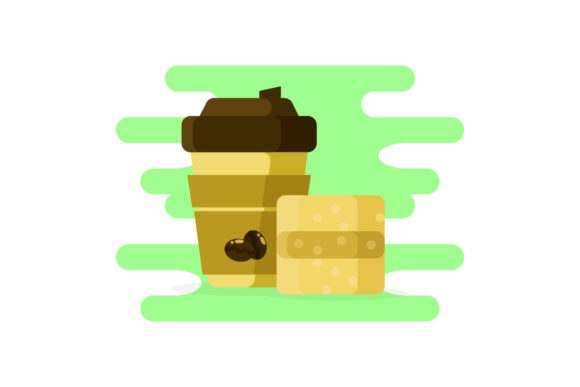
Coffee Cup Morning Cute Clipart – Designer Review
When I first opened the Coffee Cup Morning Cute Clipart, I immediately felt that warm, lazy morning energy. The design radiates a cozy coffee shop vibe without trying too hard. It’s the kind of graphic that makes you want to slow down, sip something warm, and stitch something beautiful. As an embroidery designer who’s constantly testing new artwork for real product use, I wasn’t looking at this as a flat digital file. I was seeing it stitched onto a tote bag, a kitchen towel, a baby onesie, or a soft crewneck sweatshirt. The character of the design matters just as much as the linework, and this one has a lot of quiet personality.
The Icons category listing makes sense because the shape reads quickly and clearly. But there’s more nuance here than a typical icon. The coffee cup theme feels hand-drawn and approachable, not overly geometric or sterile. That organic quality is exactly what I look for when I’m preparing a machine embroidery design that will be seen up close, worn, washed, and gifted. The Coffee Cup Morning Cute Clipart sits in the sweet spot between simple and detailed, which is a huge advantage when you start thinking about stitch types, fabric choices, and product placement.
First Impressions for Embroidery Thinking
Right away, I noticed the composition. The cup is centered, balanced, and has just enough decorative elements—maybe a tiny heart, a swirl of steam, or a gentle face—to feel complete without being fussy. That’s a big deal for embroidery. Overly complex designs with dozens of tiny disconnected pieces can turn into a nightmare of jump stitches and thread breaks. This one, however, gives you a clear main subject. The negative space around the cup doesn’t feel empty; it feels deliberate. When I imagine this as a fill stitch design with a satin stitch border, it holds together beautifully.
The mood is undeniably cute, but not in a childish way. It’s the kind of cute that appeals to adults who love their morning ritual, which makes it incredibly versatile for products aimed at coffee lovers, teachers, new moms, or anyone who appreciates a little whimsy on their everyday items. I could picture this design on a boutique apron, on a set of handmade coasters, or even on a baby bib for a coffee-obsessed parent. The visual personality is gentle, friendly, and instantly recognizable—exactly what you need for a custom apparel piece that someone will actually wear.
Real Project Scenario: The Custom Tote Bag
Let me walk you through a real-life scenario. I had a client who wanted a small batch of embroidered canvas tote bags for a local coffee shop’s anniversary. They needed something that felt artisanal, not mass-produced. I immediately thought of the Coffee Cup Morning Cute Clipart as a candidate. The canvas size information—1920px by 1280px—gave me plenty of resolution to work with. I received the bundle of 6 digital files, including the AI and EPS formats, which are vectors. That’s a huge relief for digitizing. I could scale the artwork without losing quality, trace clean outlines, and assign stitch directions with confidence.
In my digitizing software, I started testing how the design would lay on a 10-inch tote bag panel. The shapes translated nicely into running stitch outlines and smooth satin stitch details. The steam swirls, if present, would need to be simplified to avoid too much density on a medium-weight canvas. I kept the stitch density moderate, added a layer of cut-away stabilizer, and ran a test on scrap fabric. The result was charming. The embroidery looked crisp, the thread colors against natural cotton gave a rustic, handmade feel, and the design’s cuteness didn’t get lost in the texture. The client loved the sample, and we ended up producing 25 bags. That’s the kind of real-world application where this Graphics asset proves its value.
Where the Design Shines Brightest
After testing the digitized version on multiple materials, I found several product categories where the Coffee Cup Morning Cute Clipart truly excels. On sweatshirt embroidery, it adds a playful accent to the chest or sleeve without overwhelming the garment. On baby embroidery projects, like a soft cotton romper, the rounded shapes feel safe and sweet. Tote bag designs are a natural fit because the design scales well to a prominent front panel. Pillow covers and tea towels also benefit from the cozy breakfast theme, especially when you use thread colors that mimic coffee tones—deep browns, creamy beiges, and soft mint accents.
For Etsy sellers and small shop products, this design fits right into the handmade aesthetic that buyers are seeking. It’s not overly seasonal, so it works year-round, but it can be easily adapted for holiday gifts by adding a small embroidered date or monogram alongside it. I’ve also seen these types of designs used on aprons and kitchen towels for wedding gifts or Mother’s Day bundles. The versatility comes from the theme itself—coffee is universal, and a cute cup resonates across many demographics.
Watchpoints for Small Details and Tricky Fabrics
As much as I adore this design, experienced embroiderers know that not every cute graphic translates perfectly to thread. One thing I always check is the fineness of interior lines. If the Coffee Cup Morning Cute Clipart includes very tiny facial features, small dots, or hairline steam wisps, you’ll need to simplify them during digitizing. On small hoop sizes—like 4x4 inches—those details can close up and become blobs. I recommend test stitching at actual size on a similar fabric before committing to a final product. A quick black and white mockup can also reveal if the contrast is strong enough to read clearly.
Fabric choice matters enormously. On textured fabrics like terry cloth or chunky knit, the design’s cuteness can get lost. On stretchy fabric like jersey or ribbed knit, distortion is a real risk if you don’t use the right backing and hooping technique. Dark fabric requires careful thread color selection; light pastel threads might not pop, while stark white can look harsh. I usually test both a cream-toned palette and a bolder contrast version to see which feels more intentional. For curved surfaces like caps, the central placement of the cup works well, but you’ll want to avoid letting the design wrap too far into the side seams.
Practical Embroidery Designer Notes
Before you turn this clipart into a finished product, here are the steps I follow religiously. First, always test the design on scrap fabric that matches your final material. Check thread color contrast—hold it at arm’s length and see if the design still reads. Review stitch density; if the fill stitches are pulling the fabric, reduce density or add an underlay stitch. Confirm your hoop size can accommodate the design plus a comfortable margin. Inspect small details under good lighting, and if you see any thread breaks or skipped stitches, simplify the digitized file.
Also, consider how the design will look after repeated washing. A personalized gift that fades or puckers after a few cycles damages your reputation. I always run a wash test on a sample piece before shipping any orders. The Coffee Cup Morning Cute Clipart, when digitized with clean, well-connected paths, holds up nicely. The key is to avoid overly complex shading or tiny color changes that can make the embroidery look messy over time.
For commercial embroidery and craft business use, you must confirm the licensing terms. The product description mentions the formats you receive, but it doesn’t spell out whether you can sell finished items made with the design. That’s something you need to clarify with the creator before listing products on Etsy or at a craft fair. As a rule, I never assume commercial rights unless explicitly stated. The same caution applies if you’re considering using this as a printable mockup or digital embroidery file preview—you need to know the redistributing permissions.
Thread, Color, and Presentation Choices
One of the joys of working with a cute coffee cup design is the color palette. I often lean into warm, inviting tones: espresso brown for the cup, creamy off-white for the foam or milk, and a soft sage green for any leaf accents. The Coffee Cup Morning Cute Clipart gives you enough shape definition that you can play with thread sheen. A subtle rayon thread for the steam adds a little glimmer that catches the light beautifully on a pillow cover or embroidered patch.
When stitching for handmade product presentation, I always think about the final photograph. A design that looks adorable in person can fall flat in a listing image if the thread colors blend into the fabric. I’ve learned to photograph embroidered pieces on a contrasting background and to use natural light to show the texture. The Coffee Cup Morning Cute Clipart, with its clear silhouette, photographs well. Customers can immediately recognize what it is, which builds trust and encourages clicks.
Where This Design Fits in a Product Line
If you’re a small shop owner or a digital product seller building a cohesive collection, this design can anchor a whole coffee-themed series. Pair it with coordinating coffee beans, a croissant, or a motivational quote about mornings. The Icons nature of the clipart makes it easy to maintain a consistent visual style across multiple products. I’ve used similar designs to create matching sets—a tote bag, a zipper pouch, and a keychain patch—all featuring the same core artwork. That kind of brand consistency keeps customers coming back and makes your booth at a craft fair feel intentional and professional.
For creative entrepreneurs who sell digital embroidery files, this clipart can be the starting point for a digitized design that you sell in multiple hoop sizes. You’ll need to invest time in digitizing and testing, but the result is a unique product that stands out in a sea of generic embroidery files. Just remember that the original artwork is not an embroidery file; it’s a Graphics asset you’ll transform. That distinction matters when you’re explaining to customers what they’re buying.
Final Thoughts on Stitching This Cute Cup
After working with the Coffee Cup Morning Cute Clipart across several test projects, I can say it’s a solid addition to a designer’s library. The mood it creates is immediately warm and inviting, the shapes are friendly for digitizing, and the theme is perennially popular. Where you need to be careful is in the translation from screen to thread. Respect the small details, simplify where needed, and choose your fabrics and stabilizers with intention. If you do that, you’ll end up with a finished product that feels thoughtfully made and genuinely appealing—whether it’s a custom embroidered patch, a baby gift, or a holiday present for a coffee lover. For me, that’s the whole point of good design: it makes the person holding the finished item smile, exactly like a quiet morning with a perfect cup of coffee.