Honey Comb Cup Graphics for Lifestyle Bloggers and Tumbler Wrap Content
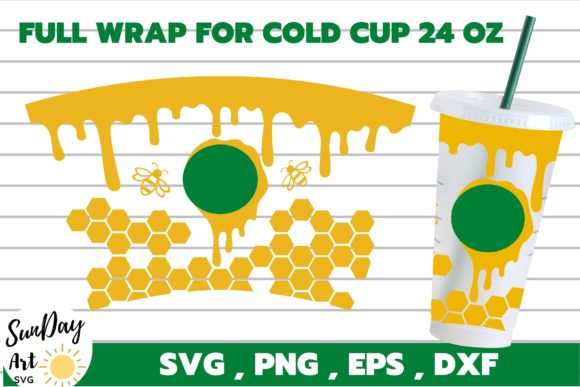
As a digital publisher, my first glance at the Honey Comb Cup graphic set was immediately positive. This asset evokes a warm, natural, and artisan-inspired mood. It feels inherently lifestyle-focused, with a touch of feminine and decorative charm that leans towards modern, clean design. The honeycomb pattern isn’t just a graphic; it’s a visual cue that suggests homemade creativity, cozy living, and a connection to nature. This sets a trusting, inviting editorial tone right from the start.
Where Honey Comb Cup Fits in Your Editorial Niche
This graphic design asset naturally supports content niches centered around DIY crafts, home baking, sustainable living, farmhouse-style decor, small business branding for artisan products, and creative entrepreneurship. Its aesthetic is playful yet polished, making it ideal for publishers who want their content to feel approachable and high-quality simultaneously. For affiliate marketers in the crafting or home goods space, this visual style builds immediate reader rapport.
Transforming a Digital Download into Publishing Gold
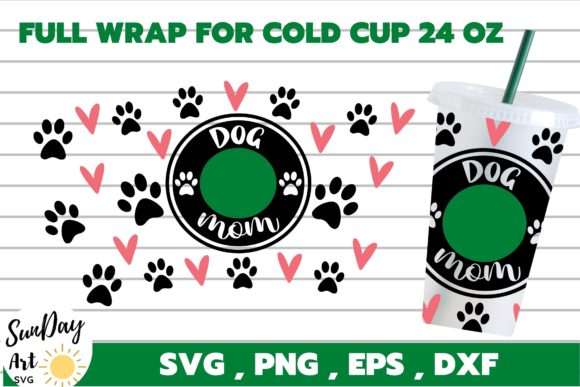
The listing clarifies this is a digital product: you receive a ZIP file containing SVG, PNG, DXF, and EPS formats, with the SVG compatible with design software like Silhouette Studio. For a publisher, this is a treasure trove. The multiple file types mean I can integrate this honeycomb design directly into my web design and editorial layouts without tedious conversion work. It’s ready for professional use.
A Real Workflow: From ZIP File to Live Website Graphics
Imagine preparing a blog post series on “Summer DIY Drinkware.” My workflow begins with sourcing visuals that echo the theme. Here’s how the Honey Comb Cup integrates:
- Blog Featured Images & Article Headers: The clean PNG files become instant hero images. Placed behind a bold headline, the honeycomb pattern creates a visual hierarchy that draws the eye to the title while establishing the post’s thematic mood.
- Pinterest Pins & Social Media Graphics: The scalable SVG format allows me to create tall, vertical pins without quality loss. The intricate pattern provides a textured, click-worthy background that stands out in a crowded feed.
- Newsletter Graphics & Digital Guide Covers: For a lead magnet like a “Printable Tumbler Decorating Guide,” this design serves as a perfect eBook cover or worksheet header, signaling a valuable, visually cohesive downloadable resource.
- Website Banners & Category Thumbnails: On a craft blog, I might create a “Tumbler Wraps” category page. Using this graphic as a banner or thumbnail creates immediate category recognition and a stronger visual identity for that section.
- Canva Templates for Consistency: Importing the elements into Canva lets me build a suite of branded templates for affiliate content visuals, digital ads, and social media posts, ensuring my entire content marketing effort looks unified.
The Impact on Content Performance and Reader Trust
Using a polished graphic asset like this directly affects performance. A stronger first impression reduces bounce rates. A clearer visual hierarchy guides readers through the content. For click-through potential, especially on Pinterest or in email newsletters, a professional-looking graphic makes your content look more credible and worth engaging with. Consistent use across blog graphics, printables, and social media previews builds a recognizable brand identity, which fosters long-term reader trust.
Optimal Uses for Maximum Editorial Impact
This honeycomb design shines brightest in specific applications:
- Large format hero images at the top of articles.
- Eye-catching Pinterest pins with minimal overlaid text.
- Full-width blog graphics that break up text-heavy sections.
- Visual accents in editorial layouts or digital product listings.
- Headers for content upgrades and lead magnets.
- Backgrounds for media kits or sales pages for creative small businesses.
Areas for Careful Consideration in Your Publishing
While versatile, some contexts require a thoughtful approach. The detailed pattern might become indistinct in very small mobile thumbnails. On text-heavy blog images, ensure the contrast is high enough for readability—avoid placing dark text directly over the densest parts of the comb. The playful, decorative style might not align with serious corporate content or extremely minimal, tech-focused websites. In busy layouts, use it as a focal point rather than a repetitive background element.
Practical Publisher Notes Before You Hit Publish
Before deploying the Honey Comb Cup across your site, run these real-world checks:
- Test on All Screens: Preview how it looks as a desktop website header versus a mobile thumbnail. Does the scale work?
- Preview in Layout: Drop it into a draft blog post alongside your typical headline fonts. Try it with a clean sans-serif, a elegant serif, and even a playful script font to see which combination feels most editorial.
- Check Contrast & Readability: Place white or black text over various parts of the graphic. Ensure the text remains legible at a glance.
- Consider File Size & Performance: For web use, compress the PNG files properly. Large, uncompressed graphics can slow page load times, harming user experience.
- Confirm Licensing for Commercial Use: Most critical for monetized websites: verify the commercial license. If you’re using this on affiliate pages, paid digital guides, or as part of your small business branding, you must ensure the asset is licensed for such commercial design use.
Final Thoughts on This Creative Design Asset
The Honey Comb Cup, as a graphic design asset, is more than just a tumbler wrap template. For bloggers, content creators, and digital marketers, it’s a versatile tool for elevating visual communication. It helps transform standard articles, downloadable resources, and social media graphics into polished, professional-looking content pages that capture attention and build credibility. By integrating it thoughtfully into your publishing workflow, you strengthen not just a single post, but your entire site’s editorial quality and visual appeal.