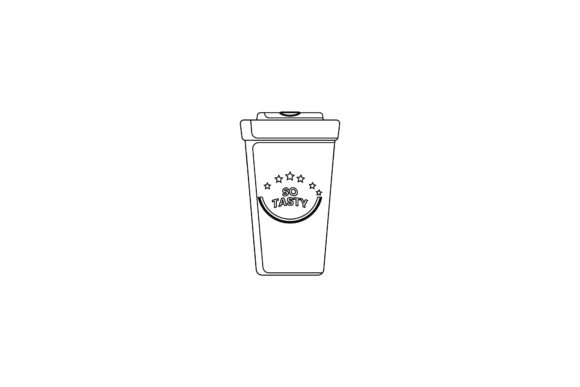
Tumbler Mug Drink Outline: An Embroidery Designer's Practical Review
When a new design lands on my screen, I look at it as if it’s already stitched out. I’m thinking about thread tension, fabric texture, and how it’ll feel in a customer’s hands. Today, I’m considering the Tumbler Mug Drink Outline.
First Impressions: A Quiet, Friendly Simplicity
The design has a clean, welcoming personality. It’s not loud or overly decorative. That outline style creates a mood of modern simplicity, which I find perfect for a relaxed, everyday aesthetic. The shape is instantly recognizable—a friendly tumbler. As an icon, it doesn’t fight for attention. This is a design that whispers rather than shouts, and that’s a powerful trait for many embroidery projects.
The Natural Habitat: Where This Outline Belongs
In my mind, I immediately place it onto a cozy, heavyweight sweatshirt or a canvas tote bag. I imagine stitching it in a single, confident thread color—maybe a deep charcoal on a light heather grey fabric. It feels like it belongs on items meant for casual use, comfort, and personal connection. Think personalized gifts for a coffee lover, a subtle logo for a small craft business, or a charming accent on a kitchen towel or apron.
It’s a strong candidate for baby embroidery on a little onesie or nursery blanket, where a simple, soft outline is safer and more appealing than dense, bulky fills. I also see it working beautifully for embroidered patches, where clarity is key. For an Etsy seller creating holiday gifts or a boutique building brand consistency, this kind of graphic offers versatility without overwhelming the product.
A Real Project Scenario: The Custom Tote Bag
Let’s walk through a real case. A client requests a custom tote for a local café. They want something modern, not cluttered. I open the Tumbler Mug Drink Outline file. The provided canvas size suggests a decent scale for a medium to large hoop size. I’m picturing it centered on the bag’s front panel. Because it’s an outline, stitch density will be lower than a fill-based design. That means less puckering on the sturdy canvas, a cleaner finish, and a faster stitch-out time—all practical wins for a small business owner producing multiple items.
The outline nature also makes thread color choice crucial. On a natural canvas, a dark brown or forest green satin stitch would look elegant. The customer’s reaction? They’d likely appreciate the clear, professional look. It feels handmade but polished, which builds customer trust in the quality of your work.
Where to Use With Care: Practical Limitations
While versatile, outline designs require thoughtful application. On very small hoop sizes, those smooth curves might lose their fluidity if the detail level isn’t optimized for tiny stitching. Always test the design on scrap fabric first, especially if you’re working with textured fabrics like knit sweaters or stretchy fabrics for caps.
On dark fabric, you’ll need to consider contrast carefully. A single, light thread color might not pop enough; you might explore a slightly thicker thread or a backing that lifts the design. Also, because it’s an outline, there are no dense fill areas to hide minor fabric shifts. Using a proper stabilizer is non-negotiable to keep those lines crisp.
For products that need frequent washing, like baby clothes or kitchen linens, an outline design with good stitch integrity will hold up better than a complex, high-density design, but always secure your threads properly.
Impact on Your Craft Business
From a commercial perspective, this design is a straightforward asset. Its clarity makes it excellent for printable mockups to showcase your digital embroidery file listings. For apparel decorators, it can be a quick, appealing addition to a line of custom apparel, adding value without a huge time investment.
The visual appeal is in its recognizability and neat execution. When stitched well, it elevates the perceived product value—it looks intentional and designed, not random. This strengthens your handmade presentation and can enhance giftability. A well-embroidered tumbler outline on a tea towel feels like a thoughtful, personalized product.
Designer Notes for a Smooth Stitch-Out
Before you run this design on a final project, here are my practical notes. Always check thread color contrast. Run a simple test in both black and white mockups in your software to see how it reads. Inspect the small details in the provided files—the curve of the handle, the lip of the tumbler. Are they smooth and continuous for a clean running stitch or satin stitch?
Compare how it looks conceptually on light and dark fabric backgrounds. Since the product includes multiple file formats like AI and EPS, you have flexibility for scaling, but remember: always confirm the actual stitch count and machine compatibility from your embroidery software’s interpretation of the file. The listed canvas size is a guide, not a stitch specification.
Finally, a crucial step for any craft business: confirm licensing before selling finished items. Understand whether your use is for personal projects or commercial embroidery. This protects your work and respects the designer.
The Final Take: A Reliable, Versatile Graphic
The Tumbler Mug Drink Outline strikes me as a dependable, versatile graphic. It’s not the star of a dramatic showpiece, but a solid, professional player in a wide range of embroidery projects. It suits the maker who values clarity, speed, and a modern aesthetic. From a personalized gift to a small shop merchandise item, it carries a friendly, recognizable charm that, when stitched with care, results in a product people will genuinely enjoy using and seeing.
For embroidery designers and creative entrepreneurs, it’s a design that asks for your practical skill—your choice of fabric, thread, and placement—to bring its simple personality to life. That’s a satisfying kind of project to have in your portfolio.