A Designer's Review of the Tumbler Concept Mug Circle Bubble
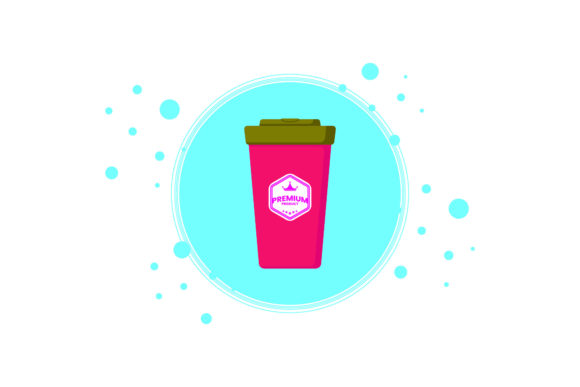
When you're evaluating an embroidery design for real-world projects, the first glance is crucial. It tells you about the mood, the potential application, and whether it has that special something that will resonate with customers or gift recipients. The Tumbler Concept Mug Circle Bubble design gives a playful, modern, and clean first impression. The concept is straightforward—a stylized mug within a bubbly circle—but its charm lies in its simplicity and friendly graphic style. It feels like an icon meant to convey warmth and a sense of comfort, belonging squarely in that category of designs perfect for personalization and lighthearted branding.
The Kind of Projects This Design Naturally Belongs To
This is not a dense, overly detailed embroidery file. Its clean lines and open layout suggest it’s destined for projects where clarity and a cheerful vibe are key. I immediately picture it on a canvas tote bag for a small coffee shop or a cozy bookstore. It would stitch out beautifully on the corner of a kitchen towel or apron, becoming a subtle decorative accent. For a baby’s item, like a soft blanket or a simple romper, this design offers a gentle, whimsical touch without being overwhelming. As a holiday gift—think a personalized pillow cover for a tea lover—it carries a universal appeal. For small business merchandise, particularly for cafes, bakeries, or creative entrepreneurs selling handmade goods, it could serve as a charming, recognizable logo or branding element on sweatshirts and caps.
Where Its Visual Personality Really Shines
The “bubble” circle framing the mug gives the design a contained, finished look that embroidery machines handle well. This structure prevents the design from feeling sparse on larger items. On a dark fabric background, with careful thread color selection (a bright white or pastel for the bubble, for instance), it would pop beautifully. On light fabrics, it maintains its friendly graphic quality. For apparel decorators considering t-shirts or sweatshirts, this design offers a mid-size focal point that doesn’t dominate the garment but still makes a statement. As an embroidered patch, its iconic nature would make it highly versatile for application on various products.
Practical Considerations for Stitching It Out
While the design appears clean, any embroidery designer knows to think through the execution. Given its description as a graphics and icon set, with AI and EPS files provided, the vector nature suggests it can be scaled. However, for machine embroidery, the crucial detail is the final stitch file parameters—which aren’t specified here. You must obtain the actual embroidery file format (like .pes, .dst, etc.) and check the stitch count, density, and recommended hoop size before any project.
For real-life use, test this design on scrap fabric first. Focus on the small details: the handle of the mug, the definition of the “bubble” circle’s edge. On textured fabrics like some tote bag materials, a good stabilizer is essential to keep those smooth satin stitch or fill stitch areas looking crisp. On stretchy fabrics like for t-shirts, adequate stabilization is again key to prevent distortion. For curved surfaces like caps, the design's compact, circular format is generally a good fit, but confirm the final file's size and orientation.
The level of detail is moderate, so it shouldn’t present huge challenges on thinner fabrics if stitch density is reasonable. However, be cautious with very small hoop sizes; shrinking a design with distinct elements too much can blur the clarity. Always check thread color contrast against your final fabric, and consider running a simple black-and-white digital mockup to see how the shapes hold up without color.
Scenarios Where Extra Care is Needed
This design should be used carefully on garments with many layers or complex seams where the embroidery area isn’t perfectly flat. The consistent circle shape relies on a stable sewing field. Also, for products destined for frequent washing, like baby clothes or kitchen linens, you want to ensure the stitch density and thread type are suitable for durability. Dark fabrics require careful planning of thread colors to maintain the design's light, bubbly mood—sometimes a slightly different color palette than imagined for a light background works better.
How It Influences the Finished Product's Appeal
From a business and client perspective, the Tumbler Concept Mug Circle Bubble design, when embroidered well, contributes to a clean, professional handmade presentation. Its graphic nature lends itself to brand consistency if used across a product line. For a crafter or Etsy seller, it elevates a simple item like a tea towel into a thoughtful, giftable product. Customers recognize and engage with clear, pleasant iconography; it feels approachable and well-made.
It adds value without being ornate, which can sometimes confuse the message. For commercial embroidery projects, such as a run of tote bags for a local business, it’s efficient to stitch and visually effective. In digital product previews or printable mockups for digital product sellers, the clean vector origins mean it can be presented sharply.
Essential Notes Before You Commit to a Project
- Always test the embroidery file on your specific machine and with your typical materials.
- Review the actual stitch density in the embroidery file to gauge suitability for your chosen fabric.
- Confirm the licensing terms of the design for your intended use—personal gifts, commercial products, or selling the finished items.
- Inspect the provided files: while AI and EPS are great for scaling and preview, the working embroidery file is what matters for your machine.
- Compare how the design looks in both light and dark fabric mockups to plan your thread palette.
- Use proper stabilizer for the fabric type to preserve the design's clean edges and shape.
In summary, the Tumbler Concept Mug Circle Bubble design holds a lot of potential for makers across many fields. Its friendly, iconic style makes it a versatile candidate for personalized gifts, custom apparel, and small shop merchandise. Your success with it, however, hinges on those practical embroidery steps: verifying the technical specs, testing thoroughly, and stitching with an eye for the fabric and product context. When done right, it results in a finished product that feels both modern and warmly handmade.